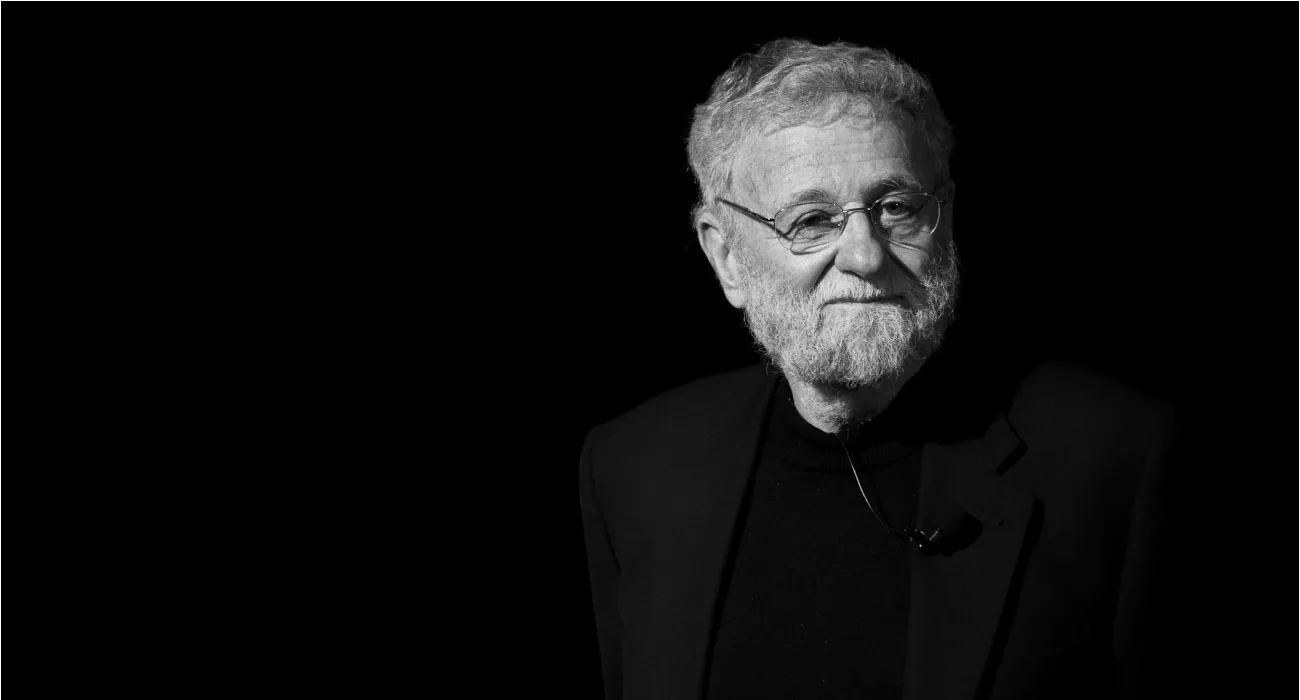
A Pioneer in Human-Centered Design
Don Norman, a trailblazing figure in the fields of design, usability, and cognitive science, has remained at the forefront of innovation for over five decades. Best known for his contributions to human-centered design (HCD), Norman’s influence transcends disciplines, from engineering and psychology to design thinking and product development. His ability to stay relevant in a fast-changing technological landscape is a testament to his intellectual adaptability, visionary thinking, and deep empathy for users. As of 2024, Norman continues to inspire a new generation of designers, thinkers, and innovators, cementing his status as one of the most enduring figures in modern design.
The Early Years: From Cognitive Science to Human-Centered Design
Don Norman’s career began with an academic foundation in cognitive psychology and computer science. In the 1960s, he completed his doctorate in psychology from the University of Pennsylvania and began to explore how humans interact with machines, information, and environments. This multidisciplinary approach would become a hallmark of his career. Norman’s early work at Harvard and later at the University of California, San Diego, focused on the cognitive processes behind human error, perception, and decision-making.
However, it was his role as a cognitive scientist at Apple in the 1980s that truly catalyzed his transition from pure psychology to the broader field of human-centered design. Norman recognized the disconnect between technology’s rapid advancements and the challenges users faced in interacting with these systems. This realization drove his mission to make technology intuitive, usable, and focused on the needs and capabilities of real people. His time at Apple helped solidify his belief that designers must always prioritize human needs over technological constraints, an ethos that would underpin much of his later work.
“The Design of Everyday Things”: A Defining Moment

Norman’s 1988 book, The Design of Everyday Things, was a watershed moment not only in his career but also in the broader field of design. The book, which highlighted the importance of usability and intuitive design, became a cornerstone text for designers, engineers, and product developers worldwide. Norman introduced the concept of affordances, the idea that the design of an object should suggest its function to users intuitively. He also critiqued the widespread tendency of engineers and designers to create products that were technically sophisticated but difficult to use.
One of the book’s key legacies was popularizing the idea that failure in using products often results not from user error, but from poor design. Norman’s straightforward examples of everyday frustrations—like doors that confuse users whether to push or pull—illustrated the importance of aligning design with human psychology. This human-centered approach challenged the prevailing tech-driven mindset, and the book remains a required reading for designers today. The Design of Everyday Things has been updated and re-released several times to remain relevant in an evolving digital landscape, proving Norman’s ideas have timeless applicability.
Adapting to the Digital Age
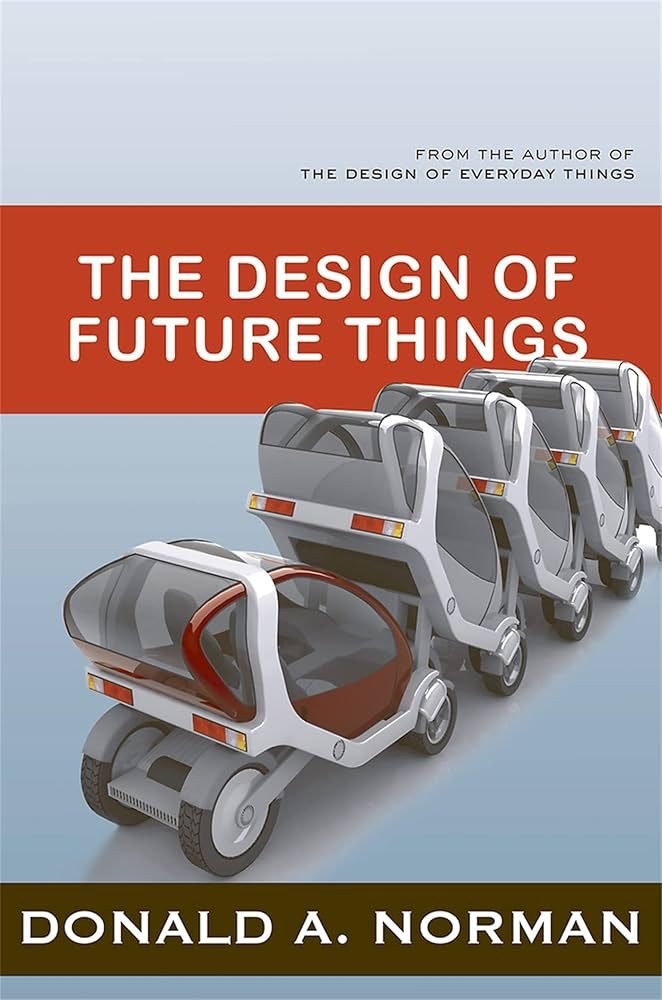
As technology rapidly advanced throughout the 1990s and 2000s, Norman continued to evolve his thinking, transitioning his focus from physical products to the burgeoning digital world. He understood that while the tools and mediums had changed, the core principles of human-centered design still applied. Whether designing for a physical product or a digital interface, Norman argued that understanding human psychology and behavior was key to creating functional, enjoyable user experiences.
In 1993, he founded the Nielsen Norman Group with fellow usability expert Jakob Nielsen. The consulting firm focused on improving user experience (UX) design, helping companies optimize their websites, apps, and products based on research into how real users interact with technology. This was a pivotal moment for the tech industry, as companies like Google, Microsoft, and Apple began to place a much higher emphasis on UX, adopting many of Norman’s principles.
Throughout his career, Norman has stayed at the cutting edge of technological developments, from graphical user interfaces in the 1980s to artificial intelligence in the 2020s. Rather than being content with his past accomplishments, he has continued to investigate how emerging technologies can be designed to better serve human needs. In this sense, his legacy is not static but constantly evolving, much like the technology he seeks to improve.
Human-Centered AI and the Future of Design
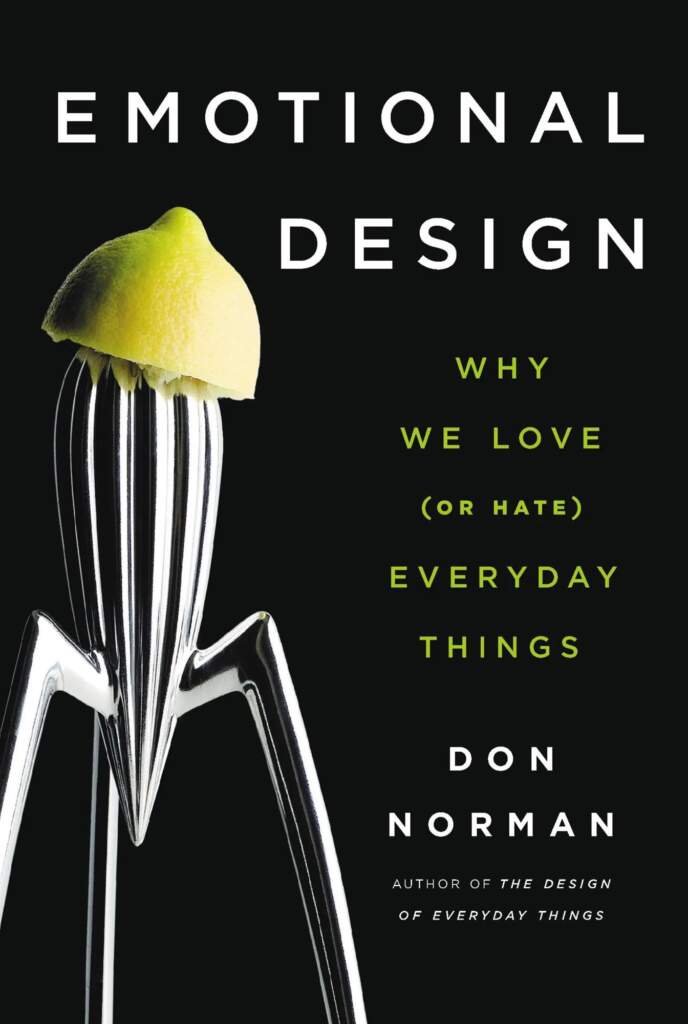
As the world enters an era dominated by artificial intelligence, automation, and data-driven design, Norman has kept pace with these transformations. His most recent work has focused on applying the principles of human-centered design to AI systems. In his 2023 book, Design for a Better World, Norman addresses how AI and automation can be designed ethically and responsibly to serve human needs rather than alienating or disempowering users. He warns against the dangers of over-reliance on algorithms that are opaque or difficult for users to understand, and advocates for designing AI systems that are transparent, flexible, and respectful of human autonomy.
Norman has also expressed concern about the potential social and ethical implications of AI-driven technologies. He has spoken at length about the need to consider the wider societal impact of design decisions, emphasizing that designers have a responsibility to ensure their creations contribute to human well-being, equality, and sustainability. This perspective is particularly relevant in a world grappling with issues like climate change, economic inequality, and technological displacement.
By continuously adapting his principles to new contexts, Norman has ensured that his ideas remain as relevant today as they were 50 years ago. His emphasis on creating technology that respects human dignity and agency resonates in a time when tech companies are frequently criticized for prioritizing profit and efficiency over user welfare.
Staying Relevant Through Collaboration and Education

One of the key reasons for Norman’s enduring relevance is his commitment to collaboration and education. He has consistently worked with experts from various fields—engineers, designers, psychologists, and business leaders—to create interdisciplinary solutions to complex problems. His teaching roles at universities like MIT, Northwestern, and UC San Diego have allowed him to mentor countless students, many of whom have gone on to become leaders in their own right.
Norman’s ability to bridge the gap between academia and industry is another reason for his lasting influence. He has not only contributed theoretical insights but also applied them in practical ways that have had a direct impact on consumer products, user interfaces, and company strategies. His dual roles as an academic and industry consultant have allowed him to both shape and respond to the evolving needs of the tech world.
Additionally, Norman has embraced the importance of digital platforms and social media in spreading his ideas. Through online talks, podcasts, and articles, he has maintained a dialogue with both seasoned professionals and young designers just entering the field. His openness to new forms of communication and his willingness to challenge his own ideas have kept him in touch with the next generation of thinkers.
Conclusion: A Legacy of Empathy and Innovation
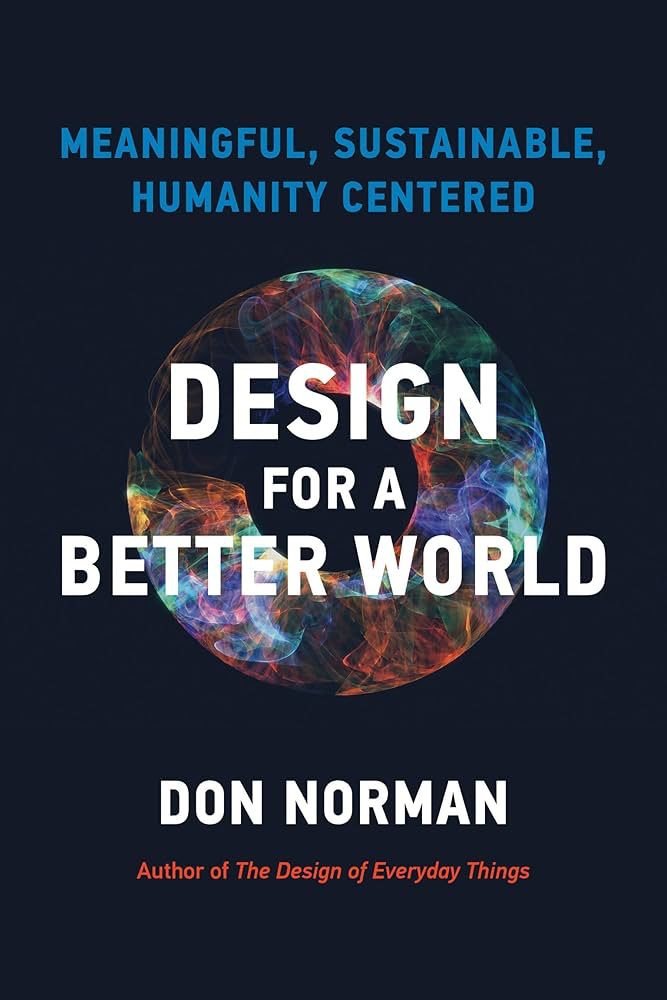
Don Norman’s legacy is defined by more than just his contributions to design and usability; it is also marked by his unwavering commitment to empathy, ethics, and human well-being. Over five decades, he has evolved from a cognitive scientist to one of the most influential voices in design thinking, always keeping human needs at the center of his work. Whether through groundbreaking books like The Design of Everyday Things, his consulting work with the Nielsen Norman Group, or his thought leadership on AI and the future of technology, Norman’s impact is undeniable.
In an era of rapid technological change, Norman’s message remains simple yet profound: good design starts with understanding people. It’s a principle that has guided his career and one that will likely continue to influence the field of design for generations to come.